

Paint correction before ceramic coating: why preparation matters is one of the most important topics for premium vehicle owners who want a ceramic coating to look refined, last properly, and protect the appearance of the vehicle with the right foundation. A ceramic coating is not a magic layer that erases defects. It enhances and protects the surface that is already there, which means the preparation stage directly affects the final result.
For Tesla owners, luxury vehicle drivers, executives, entrepreneurs, managers, and Bay Area clients who care about finish quality, skipping preparation can be a costly mistake. A vehicle may look clean at a glance, but under proper lighting it can reveal swirl marks, light scratches, water spots, haze, dealership handling marks, and contamination.
Ceramic coating should be part of a controlled appearance-preservation plan, not a shortcut. When the surface is inspected, corrected when needed, and prepared correctly, the coating can deliver a cleaner look, better gloss, easier maintenance, and stronger long-term satisfaction.
Want to protect your vehicle before the first visible defects become harder to ignore? Talk to a premium installer.
Why preparation matters before ceramic coating
Ceramic coating bonds to the surface of the vehicle. If that surface has visible imperfections, contamination, or dullness, the coating does not remove those issues. Instead, it can make the finish more protected while still leaving the defects underneath.
That is why preparation matters. Paint correction helps improve the surface before the coating is installed. It can reduce swirl marks, light scratches, oxidation, haze, and other visible defects depending on the paint condition and correction level.
Paint correction before ceramic coating: why preparation matters is not about overcomplicating the process. It is about respecting the vehicle and giving the coating the best possible surface to bond to.
What is the point of applying a premium ceramic coating if the paint underneath still looks tired, hazy, or poorly prepared?
Ceramic coating does not replace paint correction
One of the most common misunderstandings is thinking that ceramic coating fixes paint defects. Ceramic coating can add gloss, slickness, hydrophobic behavior, and easier maintenance, but it is not a paint correction service.
If a black Tesla has swirl marks before coating, those marks can still be visible after coating. If a luxury SUV has water spots or haze, those defects may remain unless addressed first. If a new vehicle arrives with dealership-installed imperfections, coating over them can lock in a disappointing appearance.
Paint correction before ceramic coating: why preparation matters becomes clear when owners understand that coating protects the finish; it does not automatically perfect it.
Trying to preserve resale value without compromising the finish? Get expert guidance.
New vehicles still need inspection
Many owners assume that a brand-new vehicle is ready for ceramic coating immediately. In reality, new vehicles often go through transport, storage, dealer washing, test drives, and delivery handling before the owner ever sees them.
Even a new Tesla, Porsche, Mercedes-Benz, BMW, Audi, Range Rover, Rivian, Lucid, or performance vehicle can have light scratches, swirl marks, adhesive residue, water spots, or surface contamination. These issues may not be obvious in shade, but they can appear clearly under direct light.
New car protection should begin with inspection, not assumption. A premium installer evaluates the paint condition before recommending coating, paint correction, paint protection film, premium tint, windshield protection film, or Ceramic Pro.
Would you rather discover defects after the coating is installed, or address them before the finish is protected?
MCAR’s consultative approach to finish preparation
MCAR approaches ceramic coating and paint correction through planning before installation. The process begins with vehicle assessment and customer education, not pressure or generic packages.
With more than 18 years of roots in Brazil, more than 7 years operating in California, and multiple Bay Area locations, MCAR brings experience, process, and premium service standards to vehicle appearance preservation. The goal is to help clients understand what their vehicle needs and why.
A daily-driven Tesla in San Mateo may need a different plan than a black luxury SUV in San Bruno or a weekend Porsche in the Bay Area. The correct recommendation depends on paint condition, driving habits, storage, exposure, finish type, and long-term expectations.
Need a protection plan that matches your driving habits and your vehicle? Contact an experienced team.
The structured method behind a premium result
A premium result follows a structured method: vehicle assessment, product recommendation, preparation, installation, delivery, and aftercare guidance. Each stage matters because finish quality is built through process.
The assessment reveals the current condition of the paint. This may include swirl marks, light scratches, hard water spotting, oxidation, contamination, or previous poor polishing work. Once the surface is understood, the right service can be recommended.
Product recommendation may include paint correction, Ceramic Pro, paint protection film, self-healing film, full front protection, full body coverage, premium tint, interior ceramic coating, or windshield protection film. The goal is not to sell everything. The goal is to build a plan that makes sense.
Preparation comes next. This is where the vehicle is cleaned, inspected, decontaminated, corrected when needed, and prepared for coating. Without this stage, even a high-quality coating may fail to meet premium expectations.
Looking for a cleaner, longer-lasting result instead of a rushed installation? Schedule a consultation.
What paint correction actually does
Paint correction is a controlled polishing process designed to improve paint clarity and reduce visible defects. Depending on the vehicle’s condition, it may involve one or more stages of correction.
A light correction may improve gloss and remove minor haze. A more advanced correction may address deeper swirl marks, visible marring, or more noticeable defects. The right level depends on the paint, the vehicle, and the owner’s expectations.
Paint correction should be handled carefully. Excessive polishing or poor technique can damage the finish. Premium correction is not aggressive for the sake of being aggressive. It is measured, responsible, and based on the vehicle’s real condition.
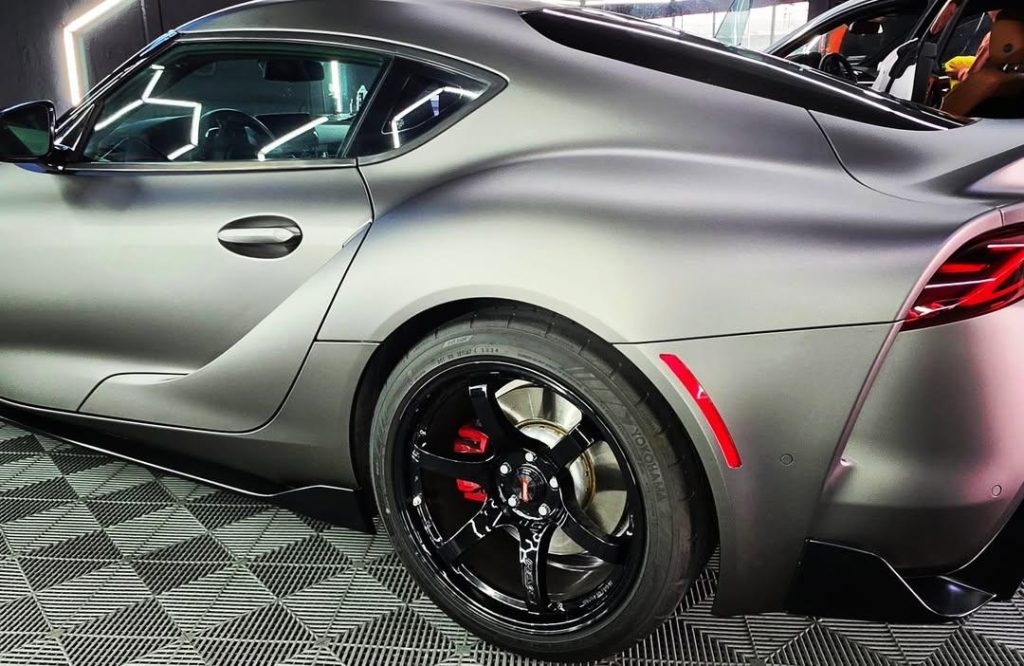
Paint correction before ceramic coating: why preparation matters is especially important for dark colors, soft paint, and luxury vehicles where every reflection matters.
Why Bay Area driving conditions affect the finish
Bay Area driving conditions are tough on vehicle surfaces. Freeway debris, construction dust, coastal moisture, UV exposure, tree sap, hard water, parking-lot contact, and daily commuting all affect paint over time.
A vehicle that spends time on Highway 101, I-280, I-880, or city streets can collect bonded contamination and micro-marring quickly. Even responsible washing can create defects if the wrong tools or techniques are used.
Ceramic coating can help make maintenance easier, but the surface should be properly prepared first. A coating applied over contamination or defects will not deliver the same visual quality as one applied after professional preparation.
Recent market observations show growing demand for premium vehicle protection, especially among owners seeking long-term finish preservation, resale value, and practical protection for daily driving.
Ceramic Pro and professional coating expectations
Ceramic Pro and other professional ceramic coating systems are chosen by premium clients who want easier maintenance, improved gloss, slickness, and added resistance to certain environmental contaminants. These benefits are strongest when the surface is properly prepared first.
A professional coating should not be treated like a quick wax. It requires inspection, surface preparation, controlled installation, and aftercare education. When applied properly, it can become part of a long-term appearance preservation plan.
However, expectations must be realistic. Ceramic coating does not make a vehicle scratch-proof, chip-proof, or maintenance-free. It supports easier care, but the owner still needs proper washing habits and aftercare.
Comparing premium protection options and unsure where to start? Request professional advice.
Paint correction, PPF, and ceramic coating together
Paint correction and ceramic coating are often part of a larger protection strategy. For some owners, the best plan includes paint protection film on high-impact areas and ceramic coating on the remaining painted surfaces.
Paint protection film provides a physical layer against common road impact. Full front protection can help protect the bumper, hood, fenders, and mirrors. Full body coverage offers broader preservation. Self-healing film can help reduce the appearance of minor surface marks under normal conditions.
Ceramic coating works differently. It helps with gloss, slickness, and maintenance. When combined thoughtfully with PPF, premium tint, and windshield protection film, the vehicle can receive protection based on real driving conditions.
Want your new vehicle protected from day one? Speak with a specialist.
Tesla paint correction before coating
Tesla owners often look for ceramic coating soon after delivery. That can be a smart step, but Tesla vehicles should still be inspected before coating. New Teslas may show light defects from transport, delivery handling, or improper washing.
Tesla protection may include paint correction, ceramic coating, full front protection, rocker panel PPF, premium tint for heat rejection and UV protection, and windshield protection film. The right plan depends on how the vehicle is driven.
Model 3, Model Y, Model S, Model X, and Cybertruck owners in the Bay Area often use their vehicles daily. That means exposure happens quickly. Preparation and protection should be planned early, before avoidable damage becomes visible.
The risk of rushed ceramic coating
Rushed coating work can create disappointment. If the surface is not decontaminated, corrected when needed, and properly prepared, the coating may not look as clean or perform as expected.
Common problems include coating high spots, uneven appearance, trapped defects, poor gloss, streaking, and customer confusion about maintenance. These issues are often preventable with controlled installation standards and careful inspection.
Premium clients should be cautious of any service that treats ceramic coating like a fast add-on without discussing paint condition. The final result depends on the foundation.
Why invest in a premium coating if the installer does not take the time to prepare the paint correctly?
Customer education creates better decisions
A premium experience should include clear communication. Clients should understand what paint correction can improve, what it cannot fix, how ceramic coating works, and what aftercare is required.
Kyle R. shared, “I had my car tinted at M Car Window Tint in San Bruno about a month ago. The process was easy and fast. They quoted me and scheduled me the same day, explained the work clearly, and the tint still looks just as good. I’m super happy with the work and would highly recommend this place!”
That type of experience matters because premium automotive care depends on trust. Clients want to feel informed, respected, and guided.
Kevin also shared, “Pedro was extremely friendly and helpful. They did a fantastic job on the ceramic tint, everything looks great, and afterward they gave me clear instructions and explained the benefits of PPF without being pushy at all.”
Need guidance without pressure? Speak with a team that explains your options clearly.
Controlled installation standards matter
Controlled installation standards are essential for ceramic coating and paint correction. Lighting, cleanliness, tools, technique, product selection, and installer experience all affect the final result.
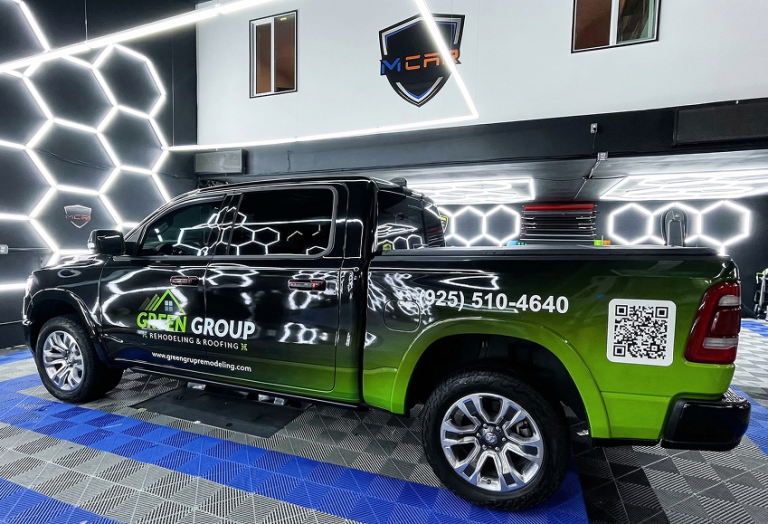
A proper environment helps the technician identify defects, prepare the surface, apply the coating evenly, and inspect the vehicle before delivery. This is especially important on black paint, metallic finishes, and premium vehicles with complex body lines.
The goal is not only to make the vehicle shine on pickup day. The goal is to support durability, maintenance, finish quality, and long-term vehicle value through a disciplined process.
Paint correction before ceramic coating: why preparation matters is ultimately about doing the right work before applying the protection.
Aftercare guidance after ceramic coating
Aftercare is part of the service, not an afterthought. Once ceramic coating is installed, owners need to understand curing time, washing methods, maintenance products, and what to avoid.
A coating can make maintenance easier, but improper washing can still create swirl marks or reduce the appearance of the finish. Harsh chemicals, automatic brushes, dirty towels, and poor technique can all affect the result.
MCAR emphasizes aftercare guidance because the best outcomes happen when professional installation is paired with responsible ownership. A protected vehicle still needs proper care.
Attention | Service available via WhatsApp and phone. Scheduling conditions and team availability may vary based on evaluation and confirmation with the MCAR team.
Preparation protects the ownership experience
For premium vehicle owners, finish quality is emotional. A clean reflection, deep gloss, and smooth surface change how the vehicle feels. The first swirl marks on a black hood or the first water spots on a new luxury SUV can be frustrating.
Paint correction before ceramic coating: why preparation matters because it protects more than paint. It protects pride of ownership, confidence, and the feeling of driving a vehicle that still looks cared for.
No ceramic coating should be presented as miraculous. No correction service should promise perfection in every case. But a professional process can make a meaningful difference in how the vehicle looks, how it is maintained, and how it presents over time.
FAQ
Is paint correction always needed before ceramic coating?
Not always. Some vehicles may only need light preparation, while others need more correction. A professional inspection helps determine whether paint correction is necessary before ceramic coating.
Can ceramic coating hide scratches or swirl marks?
Ceramic coating may add gloss and slickness, but it does not reliably hide scratches or swirl marks. Visible defects should be addressed through paint correction before coating when appropriate.
Is paint correction safe for new vehicles?
Yes, when performed responsibly by experienced professionals. New vehicles should be inspected first because some may need only minor correction, while others may have defects from transport or dealership handling.
Does MCAR explain the coating and correction process?
Yes. MCAR focuses on customer education and aftercare guidance. As Peter L. said, “Pedro gave his recommendations, took the time to explain carbon vs. ceramic, fit me in the very next morning, and the pricing and professionalism were excellent. He also explained what to expect during the drying process.”
Can I combine ceramic coating with PPF?
Yes. Many owners combine paint protection film on high-impact areas with ceramic coating for gloss, slickness, and easier maintenance. The best combination depends on the vehicle, finish, and driving habits.
This content is updated periodically according to best practices in responsible communication for premium automotive protection, paint protection film, window tint, ceramic coating, and consultative service positioning.
If your vehicle deserves a coating that looks refined from the first inspection to daily maintenance, why skip the step that determines the final finish? Speak with MCAR and build your ceramic coating plan on proper preparation.