

Full front protection vs full body PPF: choosing the right coverage is one of the most important decisions a premium vehicle owner can make when planning paint protection film. The right answer is not always the most expensive package, and it is not always the simplest one. It depends on the vehicle, the finish, the way it is driven, the owner’s expectations, and the long-term value the owner wants to preserve.
For Bay Area drivers, paint protection is not an abstract concern. Freeway debris, construction zones, coastal moisture, UV exposure, parking-lot contact, tree sap, and daily commuting all create real wear on a vehicle’s finish. A car can leave the dealership looking flawless and start collecting visible damage before the first month is over.
That is why choosing between full front protection and full body coverage should be done with planning, not guesswork. Paint protection film is not just a product. It is part of a larger strategy for preserving finish quality, reducing preventable wear, protecting resale value, and enjoying the vehicle with more confidence.
Want to protect your vehicle before the first rock chip happens? Talk to a premium installer.
Why coverage choice matters
Paint protection film creates a physical protective layer over painted surfaces. It can help reduce damage from common road debris, light abrasion, bug acids, staining, and daily driving exposure. However, the level of protection depends on where the film is installed and how well the coverage matches the vehicle’s exposure.
Full front protection focuses on the areas that take the most direct impact. Full body PPF protects painted panels across the entire vehicle. Both options can be excellent when recommended correctly.
Full front protection vs full body PPF: choosing the right coverage matters because premium vehicles should not be protected with generic packages. A Tesla daily driver, a Porsche weekend car, a black Range Rover, and a matte luxury sedan may all need different coverage strategies.
What is the point of investing in a premium vehicle if the finish is left vulnerable to the exact conditions you face every day?
What full front protection usually includes
Full front protection typically covers the most exposed impact zones. This often includes the front bumper, hood, front fenders, side mirrors, and sometimes headlights or other high-impact areas depending on the vehicle and package.
These are the surfaces that face road debris first. On Bay Area freeways such as 101, 280, 880, and 680, the front end is constantly exposed to dust, gravel, sand, construction particles, and debris from surrounding traffic.
For many owners, full front protection is the most practical starting point. It offers meaningful protection where the vehicle needs it most without covering every painted surface.
Trying to preserve resale value without compromising the finish? Get expert guidance.
When full front protection makes sense
Full front protection is often ideal for owners who want strong protection against rock chips and road wear in the most vulnerable areas. It is especially popular for new car protection because it helps preserve the appearance of the front end before visible damage happens.
This option can be a strong fit for daily drivers, luxury SUVs, Tesla vehicles, performance sedans, and premium vehicles used for commuting. If the main concern is freeway exposure, front-end wear, and maintaining a clean appearance on the most visible impact zones, full front PPF may be the right choice.
It also pairs well with ceramic coating. Many owners choose paint protection film on the front impact zones and Ceramic Pro or another professional ceramic coating on the rest of the vehicle for gloss, slickness, and easier maintenance.
Would you rather protect the areas that take the most abuse first, or wait until visible chips make the vehicle feel less new?
What full body PPF includes
Full body coverage is a more complete paint protection film strategy. Instead of protecting only the front end, it covers painted panels across the vehicle. This may include doors, rear quarter panels, rocker panels, roof sections, rear bumper areas, trunk surfaces, and other painted sections depending on the model.
Full body coverage is designed for owners who want broader preservation. It helps reduce wear not only from forward-facing road debris, but also from washing, parking-lot contact, environmental contamination, and incidental surface marks that can affect the rest of the vehicle.
For high-value luxury vehicles, exotic cars, dark paint, rare colors, and long-term ownership plans, full body PPF can provide a more complete sense of protection and consistency.
When full body coverage is the better choice
Full body coverage may be the better choice when the vehicle has high emotional or financial value. If the owner wants maximum preservation, a cleaner aging process, or stronger long-term vehicle value protection, full body PPF can make sense.
It can also be the preferred choice for black, deep blue, dark gray, and other finishes that reveal imperfections more easily. On darker vehicles, even small marks can be distracting. Broader coverage helps protect more of the finish from daily wear.
Full front protection vs full body PPF: choosing the right coverage becomes especially important when resale value matters. While no service can guarantee resale value, preserving the original paint can support a stronger presentation when it is time to sell or trade.
Looking for a cleaner, longer-lasting result instead of a rushed installation? Schedule a consultation.
Stealth PPF and full body transformations
Stealth finish applications are a major reason many owners choose full body coverage. Stealth PPF can transform a gloss vehicle into a satin or matte-style finish while helping preserve the original paint underneath.
For this type of transformation, partial coverage usually does not create the same result. A stealth finish needs consistency across panels. If only part of the vehicle is covered, the contrast between gloss and satin areas can look incomplete.
Tesla owners often choose stealth PPF because the clean body lines of Model 3, Model Y, Model S, Model X, and Cybertruck work well with a satin appearance. Luxury and performance vehicle owners also choose stealth finish applications when they want a custom look without repainting.
Need a protection plan that matches your driving habits and your vehicle? Contact an experienced team.
MCAR’s consultative approach
MCAR approaches paint protection with planning before installation. Instead of recommending the same package to every customer, the team evaluates the vehicle, the finish, the driving habits, the exposure level, and the owner’s priorities.
With more than 18 years of roots in Brazil, more than 7 years operating in California, and multiple Bay Area locations, MCAR brings experience and process to premium automotive protection. The focus is not shortcuts. The focus is finish quality, durability, controlled installation standards, customer education, and personalized consultative service.
The structured method includes vehicle assessment, product recommendation, preparation, installation, delivery, and aftercare guidance. Each step matters because premium protection is built through process, not guesswork.
Comparing premium protection options and unsure where to start? Request professional advice.
Vehicle assessment before coverage selection
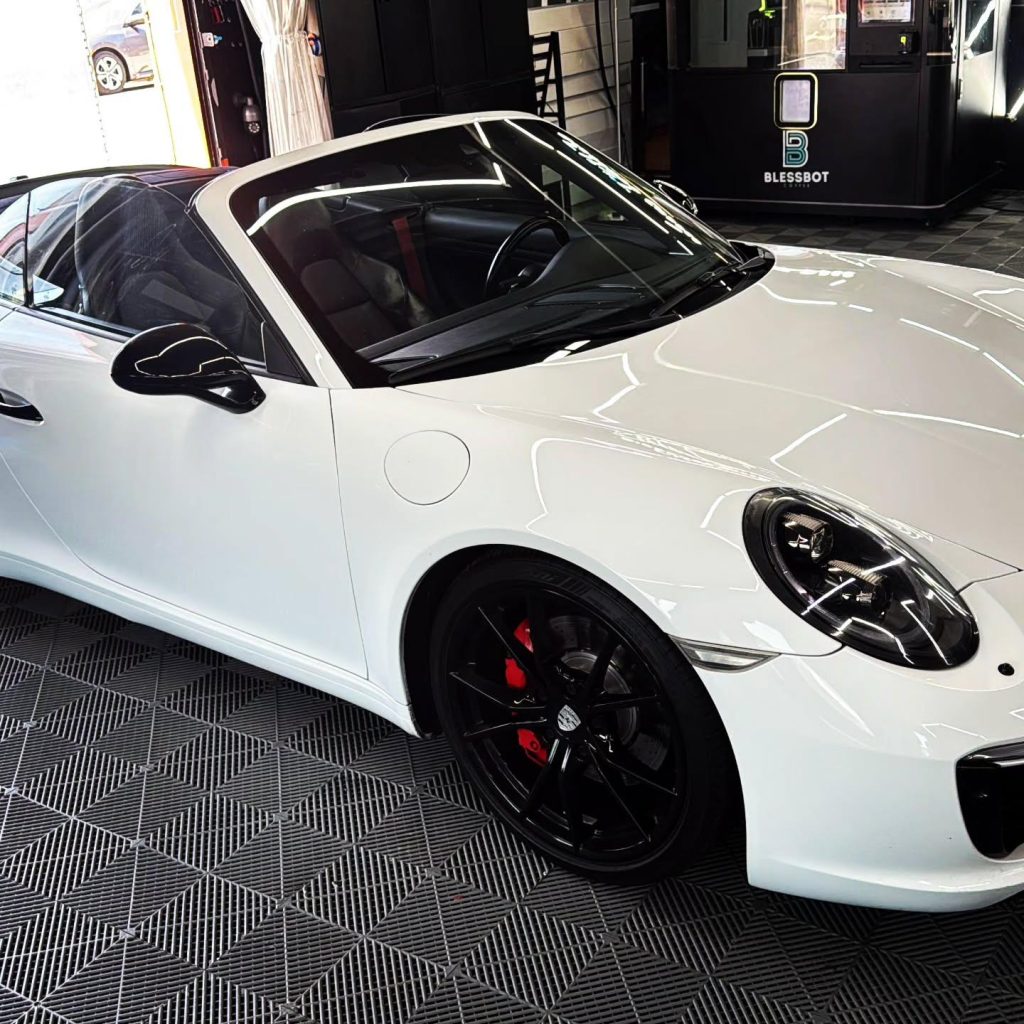
A proper assessment helps identify what the vehicle actually needs. A new Tesla Model Y may need full front protection, rocker panel coverage, premium tint, and windshield protection film. A Porsche 911 may benefit from full front PPF if it is mostly weekend-driven, or full body coverage if the owner wants maximum preservation.
The paint condition also matters. Even new vehicles may arrive with swirl marks, light scratches, water spots, transport residue, or dealership handling defects. Installing film over poor preparation can reduce the final result.
A premium installer should inspect the vehicle before making recommendations. Protection should be based on real condition, not assumptions.
Product recommendation and installation planning
After the assessment, the right package can be designed. Depending on the vehicle, this may include paint protection film, self-healing film, full front protection, full body coverage, stealth finish PPF, premium tint, Ceramic Pro, paint correction, interior ceramic coating, or windshield protection film.
Computer-cut precision and pre-cut installation help create consistent film patterns while reducing unnecessary cutting near painted surfaces. Wrapped edges are used when possible to create a cleaner, more integrated appearance.
However, coverage is not only about software or patterns. It also requires judgment. Some panels allow wrapped edges easily. Others require careful decisions based on film stability, panel design, and long-term durability.
Preparation determines finish quality
Preparation is one of the most important parts of the process. A premium PPF installation should not begin with dirty, contaminated, or poorly inspected surfaces.
The vehicle may need careful cleaning, paint inspection, contamination removal, and paint correction when necessary. This is especially important before ceramic coating or when the vehicle has visible defects.
Paint correction is not about overcomplicating the process. It is about improving the surface before protection is applied. If swirl marks or defects are sealed under film or coating, the final result may not meet the expectations of a premium client.
Want your new vehicle protected from day one? Speak with a specialist.
Tesla protection and Bay Area driving conditions
Tesla protection is a major consideration for Bay Area owners. Many Tesla vehicles are used every day for commuting, family driving, business travel, and weekend trips. That means frequent exposure to freeways, parking areas, sunlight, dust, and road debris.
For many Tesla drivers, full front protection is a smart starting point. The front bumper, hood, fenders, mirrors, and rocker areas can face significant wear. For owners who want maximum preservation or a stealth finish, full body coverage may be the better path.
Premium tint is also common for Tesla owners because large glass surfaces can create heat buildup. Ceramic tint can support heat rejection, UV protection, and cabin comfort while maintaining a clean appearance.
Ceramic coating with PPF
Ceramic coating and PPF serve different purposes. Paint protection film helps protect against physical road exposure and surface wear. Ceramic coating helps with gloss, slickness, easier washing, and resistance to certain environmental contaminants.
A common strategy is full front PPF combined with Ceramic Pro on the rest of the vehicle. This offers impact protection where it matters most and easier maintenance across the vehicle.
Full body PPF can also be combined with a compatible ceramic coating to support easier cleaning and a slicker surface. The right recommendation depends on the owner’s expectations and the vehicle’s use.
Recent market observations show growing demand for premium vehicle protection, especially among owners seeking long-term finish preservation, resale value, and practical protection for daily driving.
The risk of poor installation
The wrong installation can reduce finish quality instead of protecting it. Low-quality film, weak adhesives, rushed preparation, trapped debris, visible seams, lifted corners, and poor edge work can all affect the appearance of a premium vehicle.
On luxury vehicles, these flaws are hard to ignore. A small edge problem on a bumper or a visible line on a dark panel can distract from the design of the car.
Full front protection vs full body PPF: choosing the right coverage should always include choosing the right installer. Coverage matters, but execution matters just as much.
Why invest in a premium vehicle and then trust its most visible surfaces to a rushed process?
Customer education and real experience
Premium clients want to understand what they are buying. They want to know what each package includes, what the limits are, how the vehicle will look, and how to maintain the protection after delivery.
Kyle R. shared, “I had my car tinted at M Car Window Tint in San Bruno about a month ago. The process was easy and fast. They quoted me and scheduled me the same day, explained the work clearly, and the tint still looks just as good. I’m super happy with the work and would highly recommend this place!”
That kind of feedback reflects the value of communication. Premium protection should feel clear, professional, and consultative from the beginning.
Kevin also shared, “Pedro was extremely friendly and helpful. They did a fantastic job on the ceramic tint, everything looks great, and afterward they gave me clear instructions and explained the benefits of PPF without being pushy at all.”
Aftercare and long-term value
Aftercare guidance is essential after installation. Owners need to understand curing time, washing methods, maintenance expectations, and when to contact the installer with questions.
Paint protection film, window tint, ceramic coating, and windshield protection film all require proper care. A premium installation should include clear delivery instructions so the customer knows how to maintain the result.
Attention | Service available via WhatsApp and phone. Scheduling conditions and team availability may vary based on evaluation and confirmation with the MCAR team.
Long-term vehicle value is not protected by one product alone. It is protected by the right plan, the right preparation, the right installation, and the right maintenance habits.
Choosing the right coverage for your vehicle
The right choice depends on your priorities. Full front protection is often the best fit for owners who want focused protection against the most common road damage. Full body PPF is often better for owners who want broader preservation, consistent aging, stealth finish transformation, or maximum peace of mind.
Full front protection vs full body PPF: choosing the right coverage is not about choosing the biggest package automatically. It is about choosing the smartest package for your vehicle and your lifestyle.
A consultative installer should help you compare both options honestly. The recommendation should reflect your driving habits, your finish, your ownership goals, and the level of protection that makes sense.
FAQ
Is full front protection enough for most daily drivers?
Full front protection is enough for many daily drivers because it protects the areas most exposed to road debris, including the front bumper, hood, fenders, and mirrors. However, owners who want broader preservation may prefer full body coverage.
Is full body PPF worth it for luxury vehicles?
Full body PPF can be worth it for luxury vehicles when the owner wants maximum finish preservation, a more consistent protected surface, or stronger long-term presentation. It is especially useful for dark colors, rare finishes, exotic vehicles, and long-term ownership.
Can I combine full front PPF with ceramic coating?
Yes. Many owners choose full front PPF for impact protection and Ceramic Pro or another ceramic coating for gloss, slickness, and easier maintenance on the rest of the vehicle.
Does MCAR explain which coverage is better?
Yes. MCAR focuses on personalized consultative service, customer education, and aftercare guidance. As Peter L. said, “Pedro gave his recommendations, took the time to explain carbon vs. ceramic, fit me in the very next morning, and the pricing and professionalism were excellent. He also explained what to expect during the drying process.”
Does PPF guarantee that my vehicle will never be damaged?
No. PPF can help reduce damage from common road exposure, but it does not guarantee complete protection against every impact, accident, scratch, or environmental condition.
This content is updated periodically according to best practices in responsible communication for premium automotive protection, paint protection film, window tint, ceramic coating, and consultative service positioning.
If your vehicle deserves protection that matches how you actually drive, why settle for a generic package? Speak with MCAR and choose coverage with clarity, precision, and long-term value in mind.